The Story Behind Ain’t Nobody’s Fool
For as long as I can remember, I have loved Dolly Parton’s music. I am attracted to the narrative quality of her songs and especially what she calls the “lonesome chord” - a melancholy, haunting sound found in her bluegrass music. I recall first seeing Dolly Parton on my grandparents’ black-and-white television in St. Louis. She was the new “girl singer” on the Porter Wagoner Show. Something about her both baffled and captivated me. At that time, she seemed to me to be about much more than big hair and a curvy figure. Ain’t Nobody’s Fool tries to answer what interested me in Dolly Parton all those years ago and what interests me still.
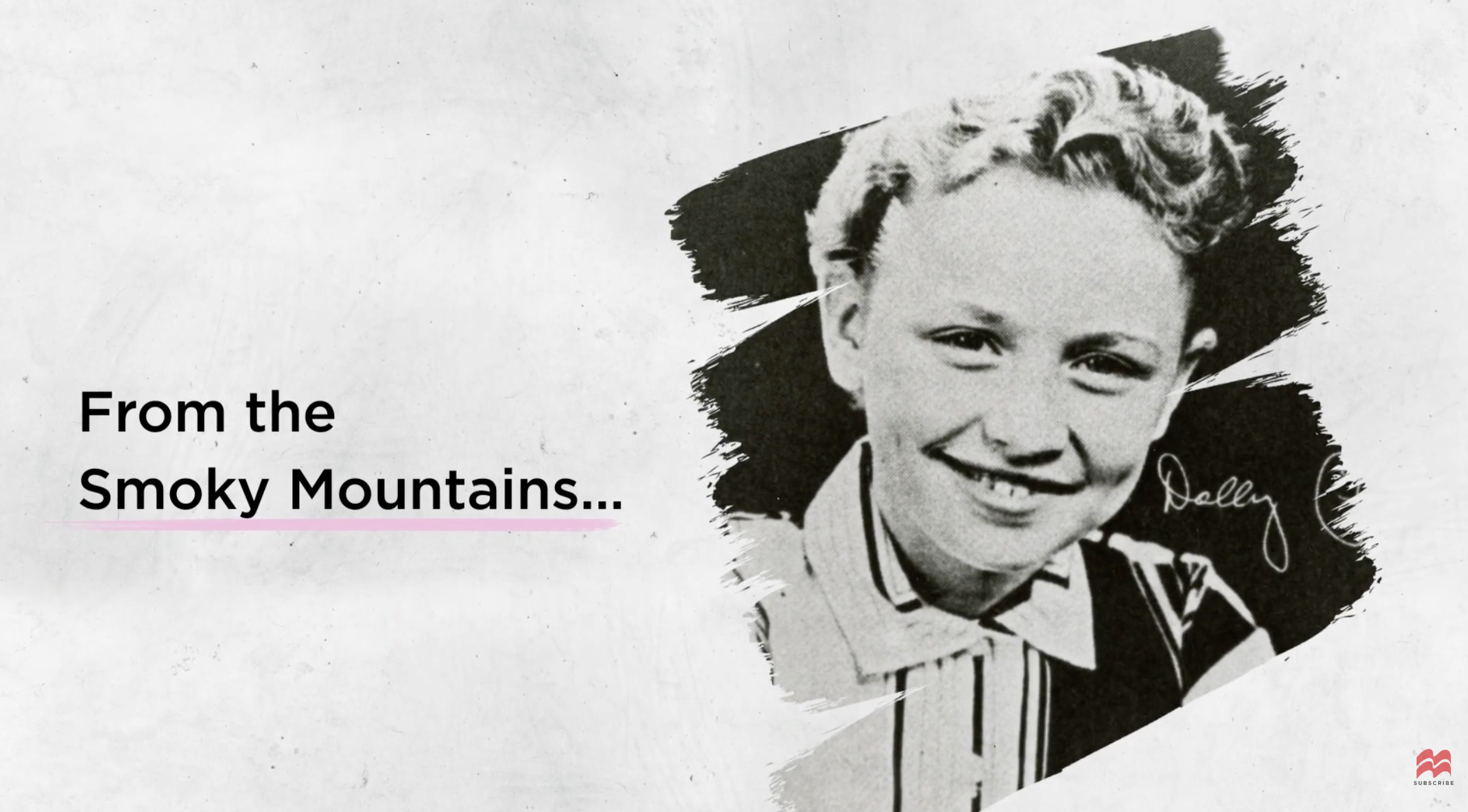
"I am attracted to the narrative quality of her songs and especially what she calls the “lonesome chord” - a melancholy, haunting sound found in her bluegrass music. I recall first seeing Dolly Parton on my grandparents’ black-and-white television... the new “girl singer” on the Porter Wagoner Show. Something about her both baffled and captivated me."
The book had its actual beginning in a locker room of University of Tennessee Lady Vols, with the legendary basketball coach Pat Summitt yelling at me. For a milestone birthday some years ago, I happened to win an auction to serve as Pat Summitt’s “guest coach” and flew down to Knoxville to assume my duties. I deeply admire all Summitt had done for women’s athletics, and she was one tough cookie. At halftime, the Lady Vols were up by 20 points, but Pat was not satisfied. In the locker room, she reamed out the team and demanded more. The athletes were used to such tough love and unfazed – but I wasn’t. I felt awful and responsible even though I (rightly) had not been allowed to do any real coaching. I stared down at my shoelaces and tried not to cry. Everything, of course, turned out fine: the Lady Vols were triumphant, Pat couldn’t have been more gracious, and I left floating on a cloud.
Since I was in Tennessee and Nashville was only a few hours away, I drove out to the Country Music Hall of Fame to speak with its chief historian. I wanted to ask a question that had long been on my mind: was the time right for a new Dolly Parton biography? We talked a good while and he gave me encouragement to take the plunge.
I’m not sure what would have happened had Pat Summitt not yelled at me and made the point that we all can do more. I left Tennessee determined to tackle an ambitious project. Come to think of it, Pat Summitt’s credo about demanding more of yourself sounds a lot like Dolly Parton’s “Do More. Dream More. Be More.”
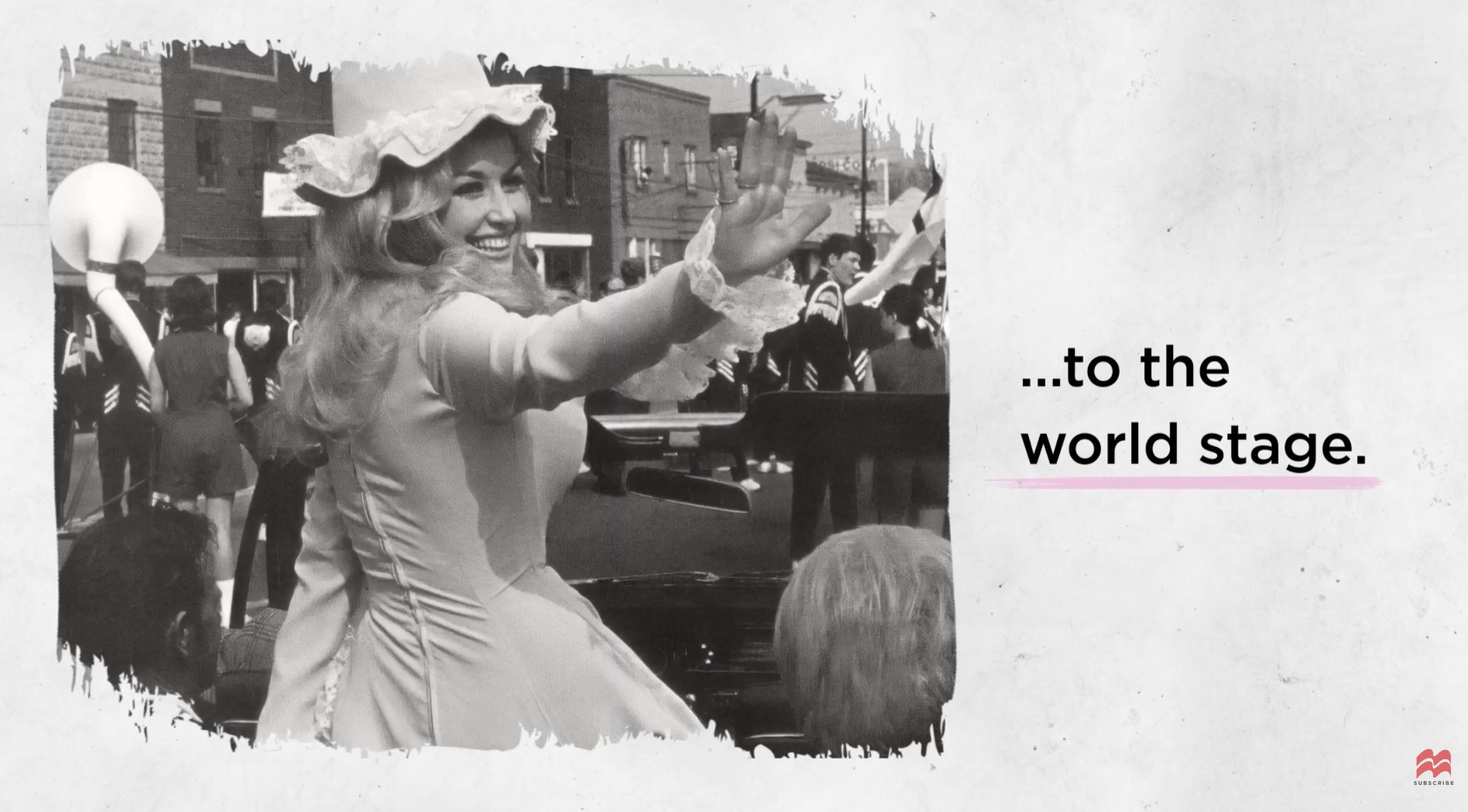
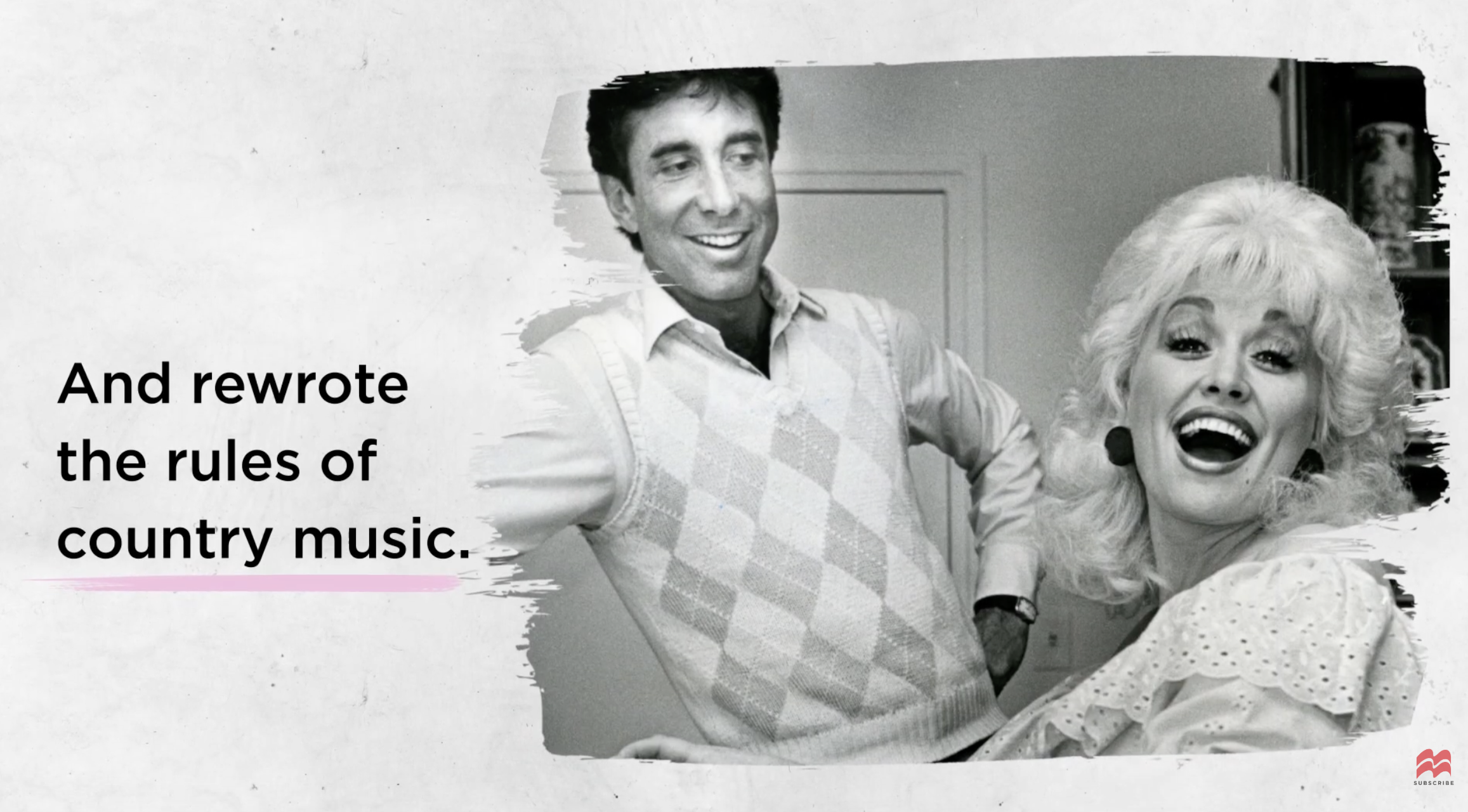
"Ain’t Nobody’s Fool also contains interviews and insights that no reader has ever encountered. What did Dolly tell one of her best friends the day before she left for Nashville? Who was with Carl Dean when he first saw Dolly Parton, his future wife? Why did a Nashville judge want to throw Dolly Parton in jail? Did Jane Fonda really sing back-up for Dolly Parton at the Grand Ole Opry? Never-before-seen photos are included, too."

Four qualities distinguish Ain’t Nobody’s Fool. First is its depth of research. Too often Dolly Parton’s life is treated in a breezy fashion with old stories recycled, tabloid rumors presented front-and-center, and little attention paid to uncovering new information. This book is a deep dive. To provide one example, I discovered that during Dolly’s grandfather’s life a vigilante group (initially led by women) terrorized East Tennessee women who were viewed as “wanton.” They would ride on horseback in the night and nail a thatch of hickory sticks to a victim’s door. Much of the concern for the way Dolly looked as a young woman stemmed at least in part from this historical fact. History, region, religion, and culture shaped her, and her resistance to the condemnation she received as a young woman was an act of defiance.
This book is also (at least I hope) vividly written. I write narrative non-fiction. I use the techniques of storytelling to tell a true story. I also want readers to know they could trust my information and use footnotes and endnotes indicating what my sources are. Readers, of course, can skip that information if they want to, but if they want an even deeper dive, the sources are there.
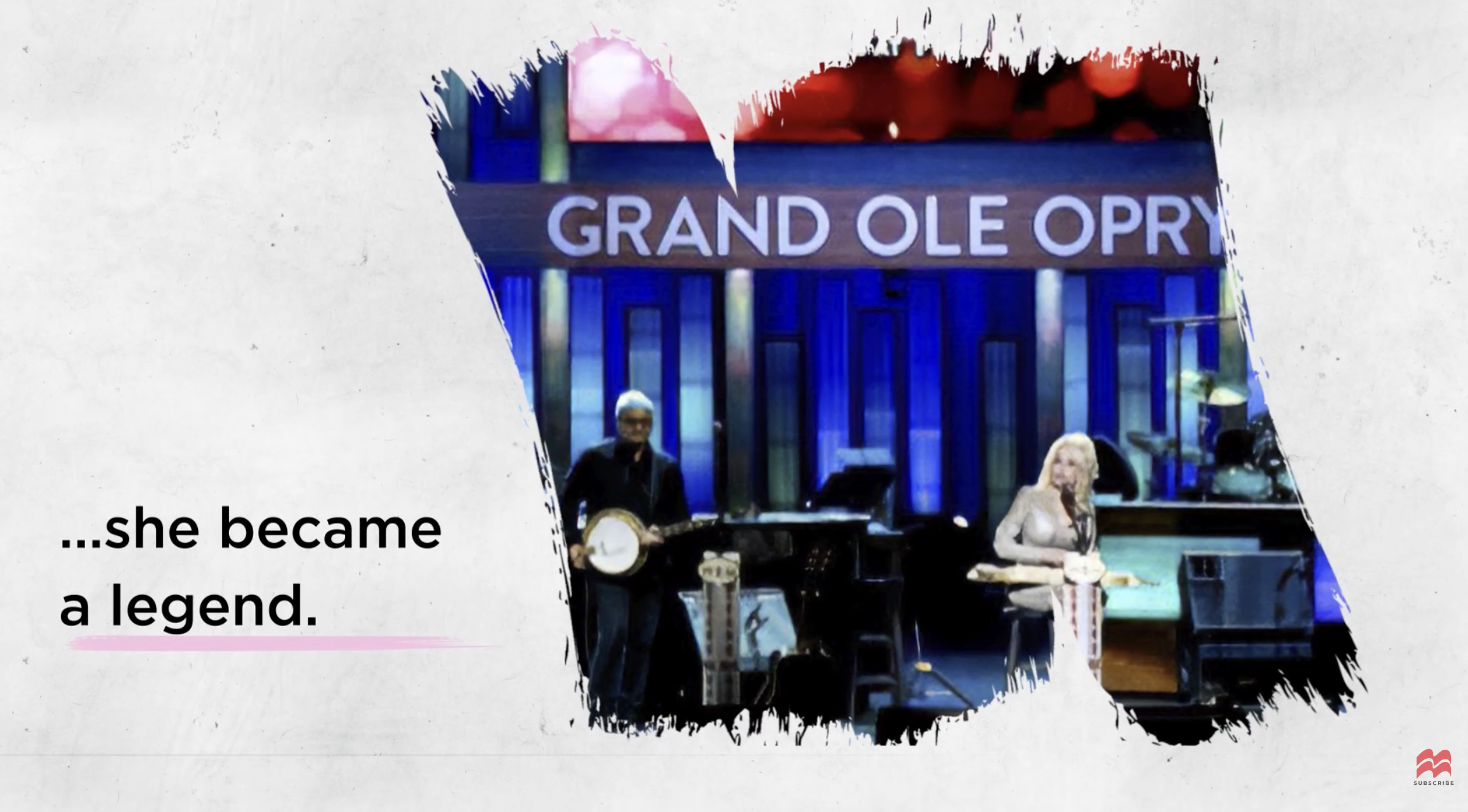
Ain’t Nobody’s Fool also contains interviews and insights that no reader has ever encountered. What did Dolly tell one of her best friends the day before she left for Nashville? Who was with Carl Dean when he first saw Dolly Parton, his future wife? Why did a Nashville judge want to throw Dolly Parton in jail? Did Jane Fonda really sing back-up for Dolly Parton at the Grand Ole Opry? Never-before-seen photos are included, too. One photo is of an old wreck of a car that Dolly used to ride around in with a friend when she was in high school. They called the car the “Road Hog” because that name was spray-painted on the back bumper.
One last word, the ending of the book is personal to me. It focuses on a young girl who was listening intently during Dolly’s 2019 50th anniversary concert at the Grand Ole Opry. I hadn’t started writing the book then; I was finishing up my Emily Dickinson biography. But I always take notes wherever I go and knew I would be turning to Dolly next. The young girl who was so attentive was sitting across the aisle from me at the concert. I noticed her and started jotting down notes. When I finally started writing Ain’t Nobody’s Fool, the ending was the first thing I wrote, and BOY was I glad I took notes.